
We Put Students First
We provide resources to co-create an inclusive, innovative community where students thrive.
We empower and challenge students to cultivate their well-being, empathy, resilience, civic engagement, and advocacy. We support the holistic development of students through curricular and co-curricular learning experiences that enhance their sense of purpose, belonging, and lifelong success.
Goal 1: Transform students through co-curricular experiences so that they contribute to a diverse society.
Objectives
- Offer curricular and co-curricular opportunities that promote personal growth, career readiness and lifelong learning.
- Map and assess learning opportunities to UMD's Co-Curricular Learning Outcomes; attend to equity issues.
- Build experiences that help students explore their interests and develop skills and agency to actively participate in their learning and development.
- Increase collaborations with students, divisional, academic and other campus partners to enhance students' access to and use of programs and resources.
Year Two Action Steps
- Support the launch of Terps Learn Everywhere Co-Curricular Learning (CCL).
- Develop DSA digital badging opportunities for students.
- Incorporate CCL Domains within DSA student employee opportunities to enhance career readiness.
Goal 2: Prioritize physical, mental and social well-being grounded in self-understanding.
Objectives
- Develop definitions and aspirations grounded in national trends related to college students' well-being and physical and mental health.
- Assess, reimagine and recreate current programmatic, resource and service offerings.
- Implement culturally relevant and equity-centered resources and programs that meet the present moment.
- Promote efforts grounded in Divisional values to enhance the well-being of all students and the community.
- Strengthen collaborations with students, campus partners, alumni, families
and the community.
Year Two Action Steps
- Develop common definitions, a shared framework for well-being, key performance indicators and methods to enhance campus collaboration.
- Develop a plan to assess and report student well-being, including identifying a common well-being survey and sharing existing data.
Goal 3: Empower students to develop a sense of belonging and agency.
Objectives
- Cultivate pathways for developing community through civic engagement, campus employment, student organizations and residence hall communities.
- Educate the campus community about the roles that students, families, staff, faculty, alumni and administrators play in empowering students’ equitable access to and utilization of existing campus resources.
- Empower students to use and practice their agency to co-create inclusive communities and environments that prioritize accessibility, safety and well-being.
- Collaborate with students to identify and resolve inequities and injustices, eliminate barriers and increase access to success in college, career and life beyond UMD.
Year Two Action Steps
- Continue strengthening and evolving our programs and initiatives to welcome and orient our newest students, helping them develop resource awareness, a sense of connection and a sense of belonging.
- Support the launch of the Unity Center as a model for connecting, engaging and educating the campus community regarding student belonging and agency.
- Support the launch of the Thrive Center for Essential Needs.

We Invest in Our People
Our staff is our most valuable resource in achieving our vision, fulfilling our mission, and living up to our values.
To ensure that our staff feel a sense of belonging and purpose, we commit to investing in them in three key areas: health and well-being; supervisor empowerment and accountability; and
professional growth, development, and advancement.
Goal 1: Create a positive and supportive work environment, aid in job performance, and recognize the intrinsic worth of all staff members.
Objectives
- Provide staff and supervisors a framework for identifying early signs of burnout and equip them with practical strategies to mitigate and manage stress effectively.
- Foster an organizational culture that promotes work-life balance and wellness.
- Help supervisors and staff develop workload management strategies.
- Improve business continuity.
- Create systems to celebrate staff accomplishments and cultivate a passion for service.
Year Two Action Steps
- Establish a unified definition and framework for workplace well-being across the Division; align and coordinate existing efforts.
- Share best practices from departments with successful initiatives to create learning communities around specific aspects of staff development.
- Create dedicated pathways and resources for non-exempt staff to participate in professional development.
- Support workload management by cross-training staff, where appropriate, and increase
position redundancies so staff can step away from duties while on leave.
Goal 2: Hone the skills of supervisors, enhancing their ability to guide, support, and champion their teams.
Objectives
- Develop a comprehensive training course for Student Affairs supervisors that is grounded in Divisional values and offers the skills to support staff in career development, workload management, wellness, communication, recognition, engagement, and ethics.
- Strengthen supervisory relationships throughout the division.
- Review job descriptions, departmental structures, and compensation to ensure they are equitable and aligned across the division.
Year Two Action Steps
- Establish comprehensive business continuity systems across all departments, including succession planning, standard operating procedure documentation, and cross-training programs.
- Continue to support supervisors taking the University's Excellence in Supervision course and leverage divisional resources to integrate and supplement that learning.
- Determine whether position descriptions and pay are equitable to enhance alignment across the Division.
Goal 3: Deliver robust opportunities for skill development, comprehensive support in identifying career advancement pathways, and dedicated guidance to help them achieve their professional goals.
Objectives
- Foster staff members' capacity to advocate for their professional interests and needs.
- Build a comprehensive professional development program that provides regular opportunities for staff at all levels and classifications to expand and improve their personal and professional skill sets.
- Create pathways for mobility and growth within the exempt and non-exempt experience.
- Create opportunities for professional growth, career advancement, and skill and experience development, such as job sharing, cross-training, and externships.
- Incentivize staff to advance their careers by providing funding for training and by forging new professional development pathways.
- Equip staff with the tools to help them succeed in their work.
Year Two Action Steps
- Develop consistent metrics to evaluate the effectiveness of DSA staff development programs, including staff satisfaction, performance improvements, and/or staff retention measures.
- Create opportunities for professional growth and career progression, including competency development roadmaps and mentoring programs.
- Conduct a systemic review of access to professional development resources across departments and staff classifications to identify and address disparities.
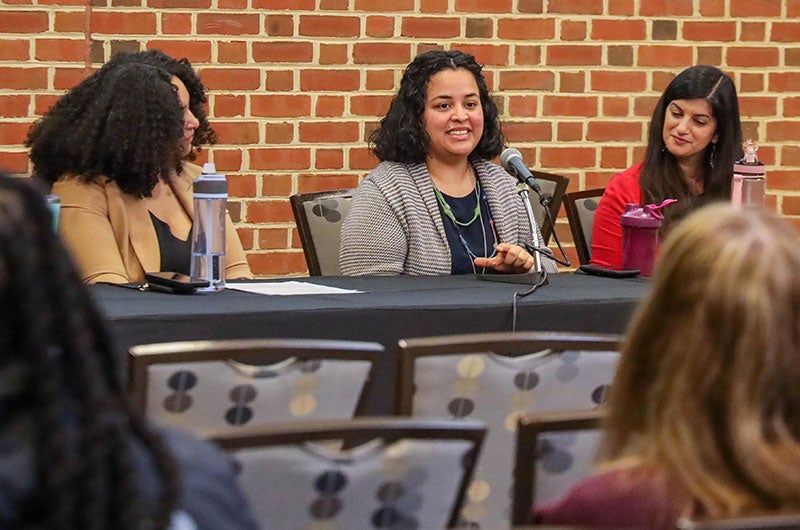
We Create Caring and Inclusive Communities
Our goals coalesce around four key areas to transform organizational culture and behavior within the division.
These areas are culture, climate, and community building; recruitment and retention; infrastructure; and learning and development. Focusing on these four areas is critical to integrating this work into all that we do.
Goal 1: Cultivate a supportive and respectful climate that values differing perspectives and experiences.
Objectives
- Build strategies to sustain an environment that acknowledges and celebrates diversity.
- Employ inclusive excellence practices in daily operations.
- Evolve a culture where all community members feel welcomed, valued, and have a sense of belonging.
- Establish a restorative community of practice where the Division of Student Affairs comes together to build trust, community, and healing.
Year Two Action Steps
- Continue training staff to facilitate Tier 1 restorative community circles and expand opportunities to educate the community about restorative practices and philosophy.
- Create tools to implement restorative practices and philosophy, and incorporate proactive community-building circles across DSA work and departments.
Goal 2: Recruit and retain diverse staff at all levels.
Objectives
- Develop and implement policies and practices that ensure the successful recruitment, retention, and promotion of staff with marginalized identities.
- Support inclusive excellence within job descriptions and functions.
- Enhance professional development and mentorship opportunities for staff, specifically those with marginalized identities, to facilitate retention and promotion.
Year Two Action Steps
- Provide training and support for supervisors on expectations and evaluation, utilizing a restorative lens that centers staff belonging and well-being, in collaboration with Staff Experience & Culture.
Goal 3: Ground our infrastructure and decision-making in Divisional values.
Objectives
- Ensure policies, practices, structures, resources, and metrics drive commitments to inclusive excellence.
- Demonstrate departmental accountability for strategic plan components.
- Collaborate across departments to leverage and enhance inclusion, diversity, and equity programming, learning, and development.
- Fully resource the Department for Student Experience and Culture.
Year Two Action Steps
- Develop a process for departmental policy and procedure audits that uses reflection and processing questions to ensure attention to divisional values in our policies, practices, and communications.
Goal 4: Enhance competencies and build capacities related to creating inclusive and caring communities that center belonging and well-being.
Objectives
- Grow awareness, knowledge, and skills that center inclusive excellence in students and staff through division-wide learning and development opportunities.
- Promote a shared framework for divisional and departmental learning and development opportunities.
- Implement training and development on inclusive excellence and equity in decision-making, policies, and practices.
Year Two Action Steps
- Facilitate Indaba conversations that align with this year’s theme of Investing in Our People.
- Collaborate with Counseling, Higher Education, and Special Education (CHSE) faculty and other academic partners to develop training content, including developing Indaba discussions.
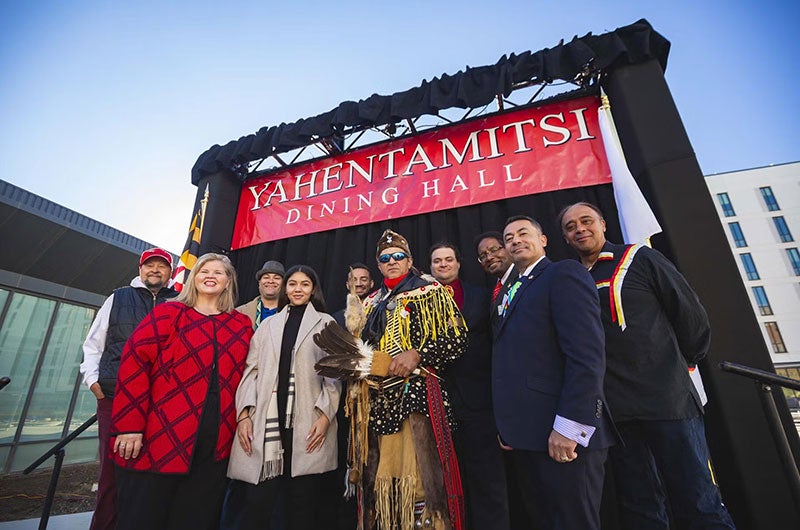
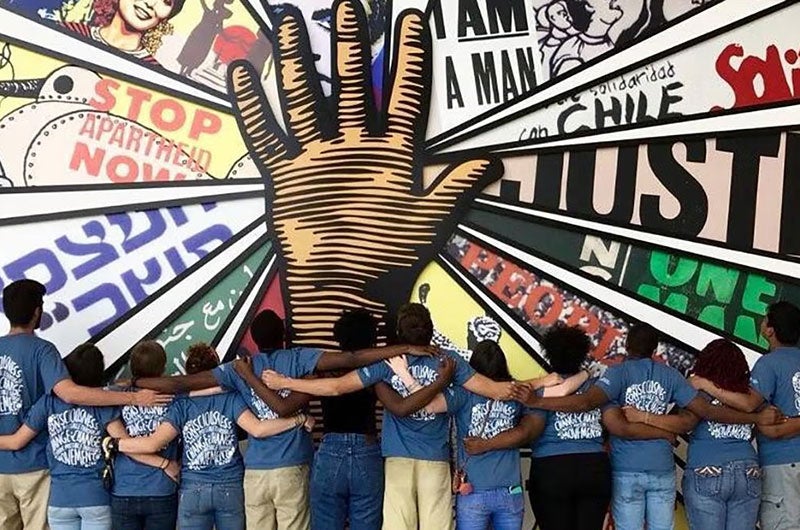
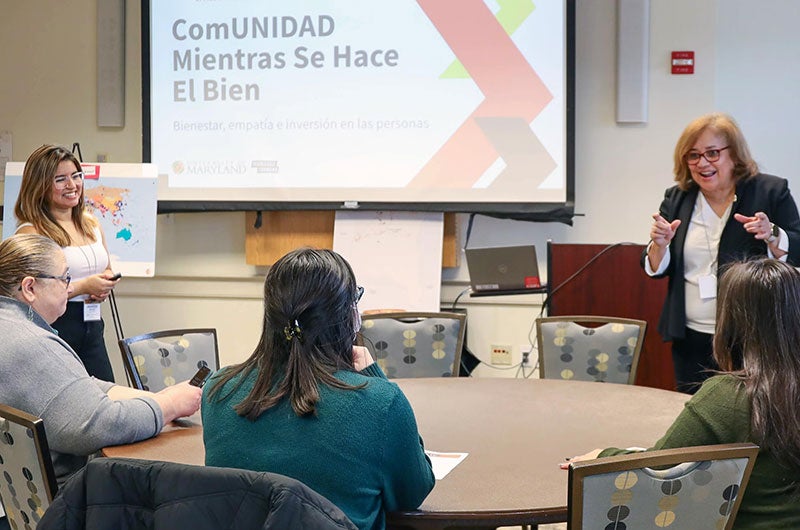
We Thrive as One Division
Collaboration across departments and teams creates strategic advantages for resource access and better connects us to each other and our work.
Partnerships and cooperation among our departments maximize the quality and cohesiveness of student outcomes, as each department's mission helps students thrive.
Goal 1: Form meaningful connections among staff to promote individual and community well-being.
Objectives
- Provide time and space for staff to interact with one another outside business-related contexts.
- Permeate the workplace, events, and programs with evidence of our value of care.
- Develop internships and mentorships so students can develop, engage, and connect with our Division.
- Onboard all staff (students and FTE) with intentional training and messaging to connect them to our mission, vision, and values.
- Create opportunities for staff at all levels to see how their work contributes to the whole.
Year Two Action Steps
- Develop a unified DSA staff onboarding framework for all exempt and non-exempt staff that integrates with existing department staff onboarding processes to promote core messages, share resources, and achieve the common goals of One Division.
- Revive the Faculty/Staff Financial Assistance program.
Goal 2: Build a community based on our connection to our values, mission, and each other.
Objectives
- Create opportunities for divisional leadership to engage with staff at all levels to build relationships and to model the values and behaviors that underscore our culture.
- Create time and space for non-exempt staff to participate in connections, knowledge-building, and committee involvement opportunities.
- Highlight our current work to support our community, e.g., staff community building spaces, and encourage staff at all levels to utilize these resources.
- Use technology to be better informed about each other’s work, celebrate achievements, support others through challenges, and build meaningful connections.
Year Two Action Steps
- Continue to advance the work of the DSA Non-Exempt Task Force.
Goal 3: Act with a "One Division" mindset to achieve our mission in the most creative, efficient, and values-driven manner.
Objectives
- Promote adequate and equitable resourcing to solve institutional issues while considering the perspective of departments.
- Use intentional, collaborative initiative to create unified student experiences, raise awareness of and access to resources, create efficiencies, and enhance communication between departments.
- Employ inclusive decision-making. When transparency is impossible, equip all staff with rationale and information to understand and support the change/decisions.
- Invest in ways to unify our efforts to promote our values.
Year Two Action Steps
- Develop a unified DSA staff onboarding framework.
We Align Our Practices with Our Values
Cohesive policies, processes, and procedures support and reflect the work and values of the division.
They provide direction to ensure our operations are consistent, equitable, and transparent. We will establish and maintain these essential tools.
Goal 1: Establish a formal structure for managing divisional and departmental policy and procedure documents.
Objectives
- Formalize, standardize, and organize policy and procedure documents, including maintenance, format, and location. Explore policy management tools and software.
- Establish continuity and change management plans for policies and procedures, including training and communication.
- Review and evaluate policies and procedures that apply to multiple departments. Designate a formal, collaborative working team for this work that includes a diverse set of stakeholders.
Year Two Action Steps
- Design and draft a detailed guide that establishes clear standards for policy and procedure formatting, storage, naming conventions, and access protocols, and embeds plain language, translation, and accessibility standards.
- Research and design key implementation resources and standardized templates for core policy and procedure documents.
Goal 2: Systematize the review and evaluation of policies and procedures so that they align with departmental and divisional values and operations.
Objectives
- Define the policies and procedures that need review and inventory them.
- Develop a measurable rubric or framework for evaluating policies and procedures, which includes a review schedule to ensure they support values and operations.
- Work with policy and procedure owners to create a productive way to contribute feedback, request changes, and resolve differences.
- Integrate inclusive excellence into all policy and procedural practices, including development, accessibility, communication, and application.
Year Two Action Steps
- Establish broad requirements for the structured review of policies and procedures.
- Develop a process for staff to give feedback regarding policies and procedures.
We Strengthen Our Foundations
Our physical and financial infrastructures are the agents that provoke, speed, or halt significant change.
We must continually evaluate our systems and services to create a conduit for equitable, sustainable, and community-driven progress across the division.
Goal 1: Develop and implement a multi-year Student Affairs facility renewal plan.
Objectives
- Identify and prioritize the physical infrastructure needs for each Division of Student Affairs building.
- Develop a Facilities Condition Assessment Program internally to monitor the condition of our buildings in real time.
- Prioritize and schedule infrastructure repairs and improvements, anticipating
risks and rewards for each project. - Deliver a preventive and predictive maintenance program with new campus projects.
Year Two Action Steps
- Continue to engage the DSA Facilities Peer group through regular meetings and capacity-building opportunities.
- Develop an agreed-upon Facilities Condition Assessment (FCA) protocol for the division, based on nationally recognized standards.
- Identify capital renewal priorities and incorporate them into the University’s Capital Pipeline planning cycle.
- Establish performance dashboards to track improvements in condition index and preventive maintenance compliance.
- Continue to explore predictive modeling capabilities to optimize resource allocation and reduce the total cost of facility ownership.
Goal 2: Diversify income streams and identify divisional efficiencies to achieve department and divisional financial goals.
Objectives
- Evaluate the benefits of aggregating resources from the Student Affairs departments and identify purchasing, staffing, and resource-sharing efficiencies.
- Explore the feasibility of replacing or supplementing the current self-supporting funding model with funding from the university, state, endowments, or corporate sponsorships.
- Partner with academic units to explore how we can fund residence hall renewal.
- Develop a financially sustainable capital renewal and deferred maintenance funding plan for renewing existing infrastructure.
Year Two Action Steps
- Continue creating internal DSA job aids to supplement campus resources. A priority is to outline internal processes for procurement and resource sharing and to bolster business continuity.
- Increase use of foundation and endowment funding to augment our budgets, including the Terp Family Fund.
- Provide resources to enhance grant proposal writing and activities.
- Work with the physical infrastructure committee on the capital renewal and deferred maintenance funding plan.